Afternoon Tea Culture Among China's Younger Generation
In recent years, afternoon tea culture has undergone a fascinating transformation in China, particularly among the younger generation. Once a symbol of British aristocracy, afternoon tea has been reinterpreted to fit modern Chinese lifestyles, blending tradition with contemporary trends. This cultural adaptation reflects broader shifts in consumption habits, social interactions, and aesthetic preferences among Chinese youth.
For many young Chinese, afternoon tea is no longer just about sipping Earl Grey with scones—it has evolved into a multisensory experience that combines food, photography, and social sharing. Cafés and boutique hotels now offer meticulously designed afternoon tea sets, featuring tiered stands adorned with both Western desserts and localized treats like matcha mille crepes or osmanthus-infused macarons. The presentation is Instagram-worthy, catering to the "first camera, then fork" mentality prevalent among millennials and Gen Z.
Social media plays a pivotal role in this phenomenon. Platforms like Xiaohongshu (Little Red Book) and Douyin are flooded with posts hashtagged #下午茶 (#AfternoonTea), where users showcase aesthetically arranged tablescapes, latte art, and their latest "pinkies-up" moments. The ritual of afternoon tea has become a form of self-expression—a way to signal sophistication, leisure, and connection to global trends. For young professionals, it also serves as an escape from the pressures of work, offering a curated oasis of calm in bustling cities.
Moreover, the localization of afternoon tea highlights cultural pride. Many establishments incorporate Chinese elements, such as porcelain inspired by Ming Dynasty designs or teas like pu’er and jasmine served alongside classic black teas. This fusion mirrors the younger generation’s dual identity: globally aware yet deeply rooted in their heritage.
The rise of themed afternoon teas further illustrates this trend. Collaborations with popular IPs, such as Sanxingdui Museum or anime franchises, attract younger crowds by merging food with storytelling. Seasonal variations—like mooncake-inspired desserts during Mid-Autumn Festival—also reinforce the blend of modernity and tradition. Additionally, health-conscious adaptations, such as sugar-free or vegan options, cater to evolving dietary preferences, proving that afternoon tea is no longer just indulgence but also a lifestyle choice.
Another driving force is the "experience economy." For Chinese youth, afternoon tea is less about the food itself and more about the ambiance, service, and shareable moments. Luxury hotels compete to offer the most photogenic settings, while independent cafés emphasize unique concepts, like "Hanfu tea parties" or minimalist "slow living" spaces. This shift underscores a broader cultural movement where consumption is tied to identity and personal values.
Ultimately, afternoon tea culture in China is no longer an imported luxury but a reinvented tradition. It embodies the youth’s desire for balance—between indulgence and mindfulness, tradition and innovation, solitude and socialization. As this trend grows, it will continue to shape China’s culinary and social landscapes in unexpected ways, proving that even the most colonial of customs can be reclaimed and redefined by a new generation.
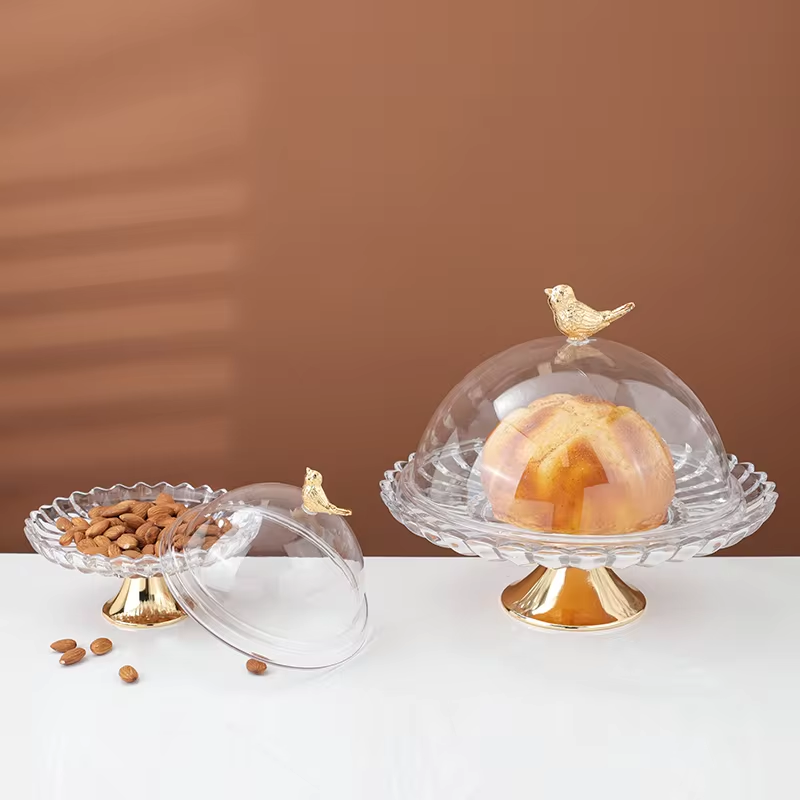
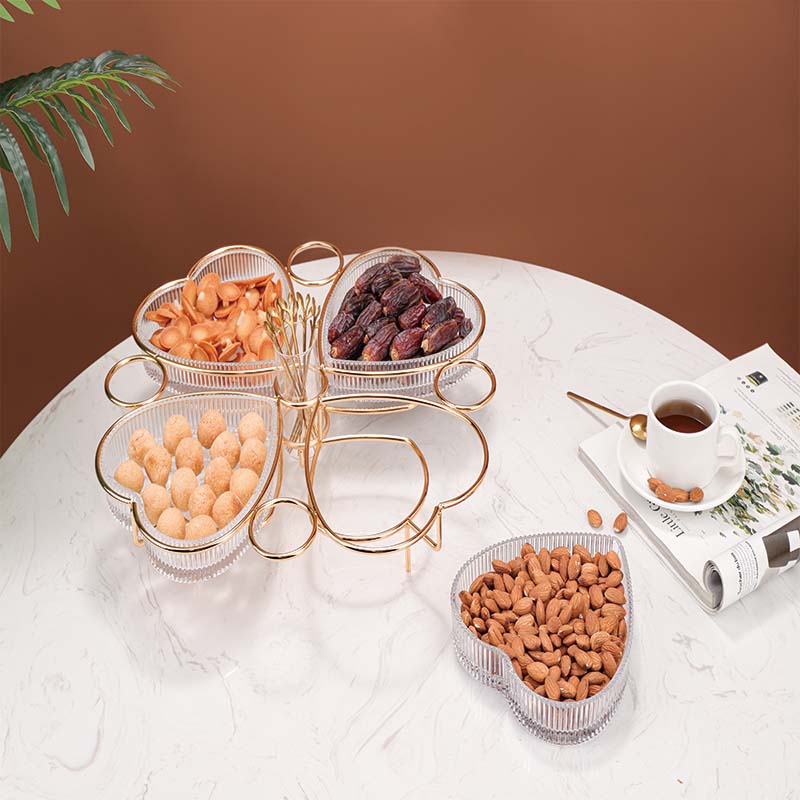
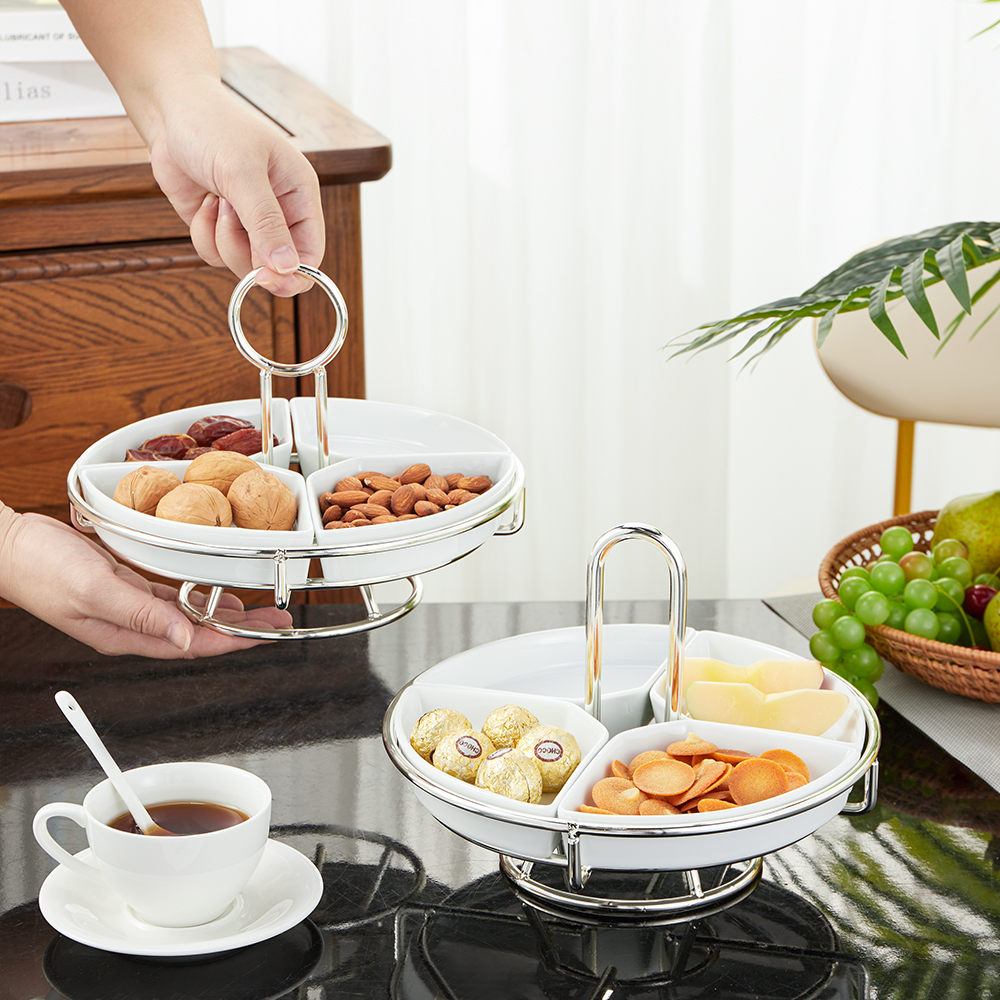
And this trends makes there are lots of manufaturers to make it better cake stands, dessert stands to follow the market, to make it more beautiful and elegant to show the afternoon tea culture.


The Timeless Elegance of the Classic 2-Tier Glass Dessert Stand
The Evolution of Afternoon Tea Culture in China
Related Article